


HA8 moving guide Edgware man and van routes and tips
Posted on 19/06/2026
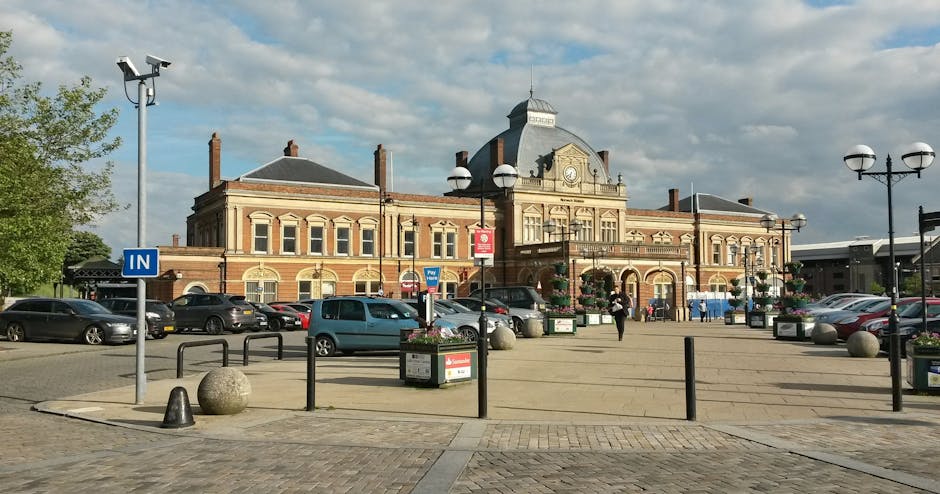
If you are planning a move in HA8, the streets around Edgware can feel deceptively simple until moving day arrives. A short journey can turn into a slow one if you hit school-time traffic, tight parking, or a van that is just a bit too large for the road you picked. This HA8 moving guide Edgware man and van routes and tips is here to make that easier. It covers the local route choices, common moving headaches, and the small decisions that save time, money, and a lot of unnecessary stress.
Whether you are moving a flat near Edgware town centre, a family house off a busier road, or a few bulky items from storage, the right route and the right preparation can make all the difference. Let's get into the practical stuff.
Why HA8 moving guide Edgware man and van routes and tips Matters
HA8 is compact on a map, but moving through it is not always straightforward. A route that looks short can still be slow because of parking pressure, turning space, local congestion, or timing around commuter traffic. If you are using a man and van service, the route is not just a background detail. It shapes how quickly the team can load, travel, unload, and whether the whole move stays calm or gets messy by mid-morning.
That matters most in real life, not in theory. For example, a second-floor flat move on a wet Thursday can become awkward very quickly if the van has to park two streets away. Now you are carrying boxes further than planned, the clock is ticking, and someone has to keep walking back for another load. Not ideal. A little route planning up front helps prevent exactly that sort of nonsense.
It also matters because Edgware includes a mix of road types: busier high roads, residential side streets, and pockets where access can be tight. A good moving plan accounts for vehicle size, timing, and the route between the old address and the new one. That is especially useful if you are booking a man and van service in Edgware for furniture, student items, or a smaller household move.
Practical takeaway: in HA8, moving success is often less about brute force and more about route awareness, timing, and making the van's job easier from the start.
How HA8 moving guide Edgware man and van routes and tips Works
The basic idea is simple: you match the move to the route, not the other way around. A local moving job usually starts with two addresses, a vehicle size, an expected load volume, and a time window. From there, the best route is chosen with access, parking, and unloading conditions in mind. Sounds obvious, but people skip this step all the time.
Here is how it tends to work in practice:
- Assess the pickup and drop-off points. Check whether the van can get near the door, whether there are low bridges, narrow turns, permit-controlled areas, or awkward corners.
- Match the vehicle to the job. A small van may be enough for a studio or a few items. A larger van is better for a fuller household move. Too small means extra trips; too large can create access problems. Bit of a trade-off.
- Choose moving times carefully. Early mornings are often quieter, while school runs and commuter periods can slow everything down. Midday can be easier in some places, but not always.
- Plan the loading order. Place the first items needed at the destination in the easiest-to-reach part of the van. That way, you are not emptying the whole vehicle just to find the kettle. Which, frankly, nobody enjoys.
- Build in a buffer. Local routes are rarely perfect. A roadworks delay, an awkward parking space, or one heavy wardrobe can change the pace.
If you are comparing services, it helps to look at the wider support too. A company that offers removal services in Edgware may be better suited if your move needs packing, loading help, or more than one trip. For small jobs, though, a van-led approach can be efficient and flexible.
Key Benefits and Practical Advantages
A well-planned local move gives you more than convenience. It reduces friction at every step. And that is usually where the value sits.
- Less wasted time: the right route reduces circling, re-parking, and those little delays that snowball.
- Lower physical strain: shorter carrying distances mean fewer awkward lifts and fewer chances of damaging items.
- Better vehicle fit: when van size and route are considered together, there is less risk of access problems.
- Smoother handover: if both properties are ready, the move can feel almost orderly. Almost.
- Fewer surprises: knowing about stairs, gates, narrow roads, or parking restrictions in advance keeps everyone calmer.
There is also a trust benefit. When a mover asks sensible questions about road access, box count, and the layout at each property, that is usually a good sign. It shows they are thinking practically rather than just quoting fast and hoping for the best.
If you are moving furniture or awkward items, route and handling matter even more. A careful plan can support safer lifting and better protection for items like wardrobes, sofas, mirrors, and tables. For those jobs, a dedicated furniture removals service in Edgware can be a better fit than a basic transport-only booking.
Who This Is For and When It Makes Sense
This guide is useful if you are doing any local move in or around HA8 and want the practical bits to go smoothly. It is not just for full house removals. In fact, many of the trickiest jobs are the smaller ones because people assume they will be easy.
It makes sense for:
- Flat moves: especially where stairs, lifts, and limited parking make access a puzzle.
- House moves: when family belongings, larger furniture, and timing all need to line up.
- Student moves: usually lighter, but often time-sensitive and full of boxes that somehow multiply overnight.
- Office or studio moves: when equipment needs careful handling and quick turnaround matters.
- Single-item transport: such as a sofa, bed, piano, or appliance.
- Short-notice relocations: where the route and schedule have to be planned fast.
It is also useful if you are trying to decide between a simple van hire-style move and a more managed removal job. If you need packing help, loading support, or storage between addresses, the job may be broader than it first looked. For that kind of move, a glance at house removals in Edgware or flat removals in Edgware may help you compare what level of support makes sense.
Truth be told, the best option depends on how much you are moving, how far you are carrying things, and how tight the access is. Simple as that.
Step-by-Step Guidance
If you want the move to feel more controlled, do it in stages. Rushing the whole thing usually creates more work later. Here is a practical sequence that works well for local Edgware moves.
1. Walk the route at both ends
Check whether there is room for the van to stop near the property. Look for low walls, narrow drives, tight bends, and awkward entry points. If you can stand at the front door and imagine carrying a sofa out to the vehicle, you are doing the right kind of thinking.
2. Measure the big items
Do not guess. Measure wardrobes, mattresses, desks, white goods, and any item that might need tilting or dismantling. A bulky item may fit the van but still be difficult to carry around a staircase or through a tight hallway.
3. Sort your load into priority groups
Put essentials, fragile items, and high-value belongings into separate groups. You do not want your kettle buried behind three boxes of winter coats. Label clearly. A marker pen does the job better than people think.
4. Book a time that suits the road, not just your diary
If your street gets busy in the morning, consider a later start. If the destination has quieter access early on, an early slot may work better. This is where a bit of local judgement helps. A good mover will often suggest this without being asked.
5. Confirm parking and access details
Tell the mover whether there are permits, loading bays, gates, or estate roads. If you are not sure, check before moving day. Nothing slows things down quite like discovering the van cannot legally or practically stop close enough.
6. Pack a first-night box
Keep essentials separate: phone charger, toiletries, medication, tea bags, snacks, toilet paper, a change of clothes, and basic tools. It is a small box with a very large emotional job.
7. Build a route buffer
Leave some slack for traffic, parking, and unexpected loading time. A calm ten-minute buffer can save a frantic forty-minute scramble later. Especially if the weather turns grey and you are carrying things up and down stairs. Bit of British realism there.
Expert Tips for Better Results
After enough local moves, a few patterns become obvious. The best moves are rarely the fanciest. They are the ones that stay organised and keep everyone thinking two steps ahead.
- Use the van like a puzzle. Heavy items go in first, close to the bulkhead if possible. Lighter boxes and soft items can fill the gaps.
- Protect the corners. Door frames, table edges, mirrors, and drawer fronts are where scrapes often happen. A little wrapping goes a long way.
- Keep pathways clear. On moving day, shoes, loose bags, and random bits of furniture can become trip hazards very quickly.
- Label by room, not just item type. "Kitchen," "bedroom 1," and "study" labels make unpacking much easier.
- Disassemble when sensible. Bed frames, shelves, and dining tables are often easier to move in sections. Just remember where the screws are. A tiny bag taped to the item is boring, but brilliant.
- Ask about equipment. Blankets, straps, dollies, and trolleys can make the job much safer and faster.
One small but useful habit: keep a clear photo of both property entrances before moving day. It sounds a bit overcautious, maybe even slightly nerdy, but it helps if you need to explain access to the driver or decide where the van should stop. And yes, I know, nobody gets excited about driveway photos. Still useful.
If there are valuables or delicate items, be extra selective about what goes in the van and how. The same applies to specialist moves such as piano transport. For that, a dedicated piano removals service is worth considering because the handling requirements are just different.

Common Mistakes to Avoid
Most moving problems are predictable, which is annoying because it means they are often avoidable. Here are the ones that show up again and again.
- Assuming the shortest route is the best route. Not always. A slightly longer road can be easier to park on and faster overall.
- Underestimating box volume. One van load suddenly becomes two when people finish packing the kitchen. Funny how that happens.
- Ignoring parking restrictions. A few minutes of checking can prevent fines, delays, or long carries from a distant bay.
- Forgetting to reserve lift or access time. Flats and managed buildings often need this considered in advance.
- Packing fragile items too loosely. Loose packing often becomes broken packing.
- Leaving dismantling until the last minute. Bed frames and large wardrobes are much easier to deal with when they are not blocking the hallway.
- Not telling the mover about awkward access. If there is a steep drive, tight corner, or shared entryway, say it early.
A slightly less obvious mistake is booking the wrong level of help. Some jobs need only transport. Others need packing, loading, and careful route management. If you realise halfway through that the move is bigger than expected, services like same day removals in Edgware can sometimes help when timing has gone sideways. Not ideal, but good to know.
Tools, Resources and Recommendations
You do not need a massive toolkit for a local move, but a few items make life noticeably easier.
- Marker pens and labels: for clear box marking.
- Strong tape: because weak tape always gives up at the worst moment.
- Blankets or wraps: useful for protecting furniture surfaces.
- Basic screwdriver set: for quick dismantling and reassembly.
- Measuring tape: to check furniture, hallways, and doorways.
- Phone flashlight: handy for dark stairwells or vehicle interiors in the early morning.
- Reusable boxes or packing materials: better if you want a tidier, more sustainable move.
It can also help to review the mover's wider support pages before you book. If you want a broader view of what a provider can cover, look at the services overview. If you need packing materials, the boxes and packaging page and the packing and boxes information can be useful starting points.
For people moving between homes for a short period, storage can also be part of the plan. That can make the route easier because you are not trying to do everything in a single sweep. If that sounds familiar, it is worth checking storage in Edgware. Sometimes a staged move is the sanest move.
Law, Compliance, Standards, or Best Practice
For a local move, most of the important compliance points are practical rather than complicated. You want the work to be handled safely, responsibly, and in line with normal UK expectations for transport and removals. That includes correct vehicle use, proper loading, sensible lifting practice, and respect for parking and access rules.
If a van is stopping on a public road, the driver should think carefully about where and how they park. That is not just about convenience. It can affect traffic flow, pedestrian access, and whether loading is legal in that location. If your building has restrictions, permits, or time windows, those need to be handled properly rather than guessed at.
Safe handling matters too. Heavy lifting should be done with care, and fragile items should be protected appropriately. Where a provider publishes policies on insurance and safety and health and safety, that is usually a positive sign that they take the work seriously.
It is also reasonable to check operational clarity before booking. Good businesses explain what is included, what is not, how payments work, and how customer issues are handled. Pages such as terms and conditions, payment and security, privacy policy, and complaints procedure help set expectations clearly. No drama, just clarity.
And if you want to know more about the company behind the service, the about us page is the sensible place to start. That kind of background detail matters when you are trusting someone with your furniture and your schedule.
Options, Methods, or Comparison Table
Not every move in HA8 needs the same setup. The table below gives a practical way to compare common options.
| Option | Best for | Strengths | Watch out for |
|---|---|---|---|
| Man and van | Small moves, flats, single items | Flexible, often quicker to arrange, suitable for local routes | May need careful packing and realistic load planning |
| Full removals service | Larger households or more complex moves | More support, less lifting pressure, better for bulky contents | Usually more involved to organise |
| Self-pack with transport only | People who have time and want more control | Can suit straightforward moves if you are organised | More effort on your side, greater risk of packing errors |
| Storage-assisted move | Staged relocations or delayed completions | Helpful when timing is uncertain | Requires extra planning and may stretch the move over more than one day |
For many HA8 jobs, the sweet spot is a man with a van approach when the load is modest and access is local. If the property is fuller, or the move involves lots of furniture, it may be better to look at removals in Edgware instead. That is not about upselling. It is about fit.
Case Study or Real-World Example
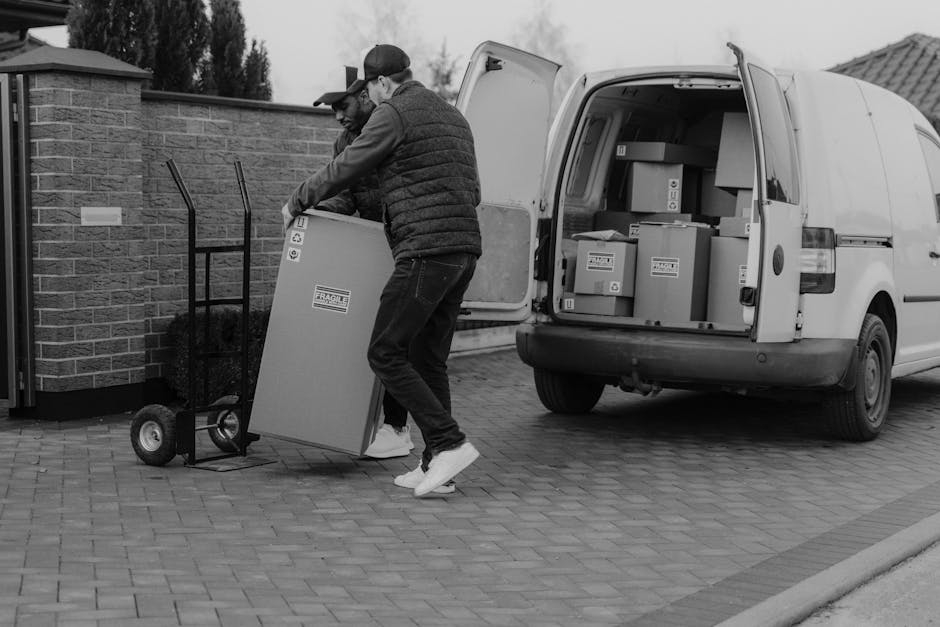
Here is a typical local scenario. A couple moving from a flat near Edgware town centre to a small house a short drive away thought their move would take half a day, easy. They had boxed most things, but the furniture was bulkier than expected: a bed frame, a sofa, two wardrobes, and several heavy kitchen boxes.
The first draft of the plan was based purely on distance. But once the access was checked, the picture changed. The pickup property had limited roadside stopping space, and the delivery street was narrow at one end. So the mover suggested an earlier start, a smaller van than initially considered, and a loading order that put the biggest items in first. That kept the carrying distance manageable and reduced the chance of having to park too far away.
The move still took effort, of course. Moving always does. But it stayed steady. No long pause while someone tried to wedge a wardrobe through a doorway that clearly said "no, not today." No last-minute panic about where the boxes of crockery were. And because the route had been thought through, the team did not lose time hunting for a better parking spot after arriving.
The interesting part? The couple said the most helpful thing was not the van itself but the planning questions asked before the booking. Small thing. Big difference.
Practical Checklist
Use this before move day if you want fewer surprises.
- Confirm the pickup and drop-off addresses.
- Check parking access at both ends.
- Measure large furniture and note any awkward pieces.
- Label boxes by room and fragility.
- Pack a first-night essentials box.
- Reserve lifts, permits, or timed access if needed.
- Choose a moving time that avoids the busiest local traffic where possible.
- Tell the mover about stairs, gates, tight turns, or restricted access.
- Protect fragile items and wrap furniture corners.
- Keep paperwork, keys, and valuables separate from the main load.
- Allow buffer time for delays. A little extra breathing room helps.
If you are still gathering the final bits, a look at packing and boxes support can help you finish the preparation properly. It is one of those jobs that feels minor until you are staring at an open cupboard at 9pm.
Get a free quote today and see how much you can save.
Conclusion
The best HA8 moves are rarely the most complicated ones. They are the best planned ones. If you think carefully about access, route choice, van size, timing, and packing order, the whole process becomes much easier to manage. That is really the heart of this HA8 moving guide Edgware man and van routes and tips: keep it practical, keep it local, and do not leave the awkward details until the morning of the move.
Edgware moves can be smooth when the route, the van, and the load all work together. Not perfect. Just sensible, and much less stressful than it could have been. And honestly, that is usually what people want most.